Claymoor Construction are specialist brick pointing and repointing contractors based in Poole, Dorset, delivering professional mortar repair and repointing services for homeowners and businesses across Bournemouth, Christchurch, Poole, Ringwood, Wimborne, and the wider Dorset and Hampshire area.
If the mortar joints on your brickwork are crumbling, cracked, or recessed, repointing is one of the most effective and cost-efficient ways to protect your property from water ingress, damp, and long-term structural deterioration.


Repointing is the process of removing deteriorated or damaged mortar from the joints between bricks or stones and replacing it with fresh mortar. Over time, the mortar joints in brickwork are exposed to decades of weathering — rain, frost, wind, and temperature change — and gradually erode, crack, or fall away. When this happens, the joints that were designed to seal and protect the wall become the very points through which water enters.
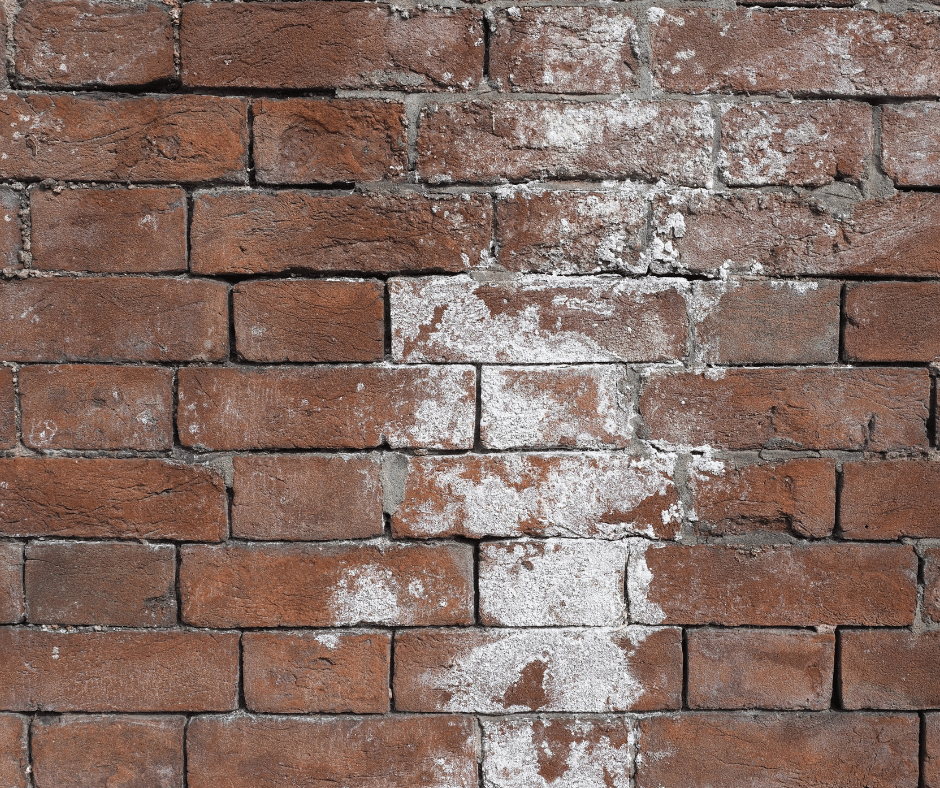
Water penetration through failed mortar joints is one of the leading causes of damp in UK homes. Once water gets into the wall, it can cause a wide range of problems — including internal damp patches, efflorescence (white salt deposits on the face of the brickwork), freeze-thaw damage to the bricks themselves, and in severe cases, structural deterioration of the wall over time.
The good news is that repointing, carried out correctly and at the right time, is a highly effective solution — sealing the wall against water ingress and extending the life of the brickwork by decades. It is also considerably less expensive than waiting until the deterioration has progressed to the point where more extensive repair or rebuilding work is required.
Not sure whether your brickwork needs attention? Here are the most common signs that repointing may be required:
Mortar that can be scraped out easily with a finger or key is well past its serviceable life.
Mortar that has eroded back significantly from the face of the brick, leaving exposed edges that collect water
Visible cracks running through the mortar, particularly at corners, window and door openings, or along horizontal courses
Particularly after heavy rain, suggesting water is penetrating through failed external joints
White crystalline deposits on the face of the brickwork, indicating water movement through the wall
Where the face of the brick is flaking or breaking away, often caused by water penetration and frost damage
Moss, lichen, or weeds growing in the joints indicate moisture retention and deteriorating mortar
If you have noticed any of these signs, Claymoor Construction would be happy to carry out a free assessment and provide a no-obligation quotation.
Repointing carried out incorrectly can cause as much damage as it prevents. Using the wrong mortar mix — particularly a mortar that is too hard for the existing brickwork — can trap moisture within the wall and cause serious damage to the bricks themselves. This is why it is essential to use an experienced, specialist contractor who understands mortar specification and the behaviour of different types of brickwork.
At Claymoor Construction, our repointing process follows best practice throughout:
We inspect the existing mortar and brickwork carefully, identify the extent of deterioration, and specify the correct mortar mix for the job
Deteriorated mortar is carefully raked out to a minimum depth of 15-20mm using appropriate hand or mechanical tools, without damaging the surrounding brickwork
The joint is cleaned of dust and loose material and dampened to improve adhesion
Mortar is mixed to the correct specification for the existing brickwork — matching strength, composition, and colour as closely as possible
Fresh mortar is applied in layers to the correct depth, firmly compacted and finished to the appropriate joint profile
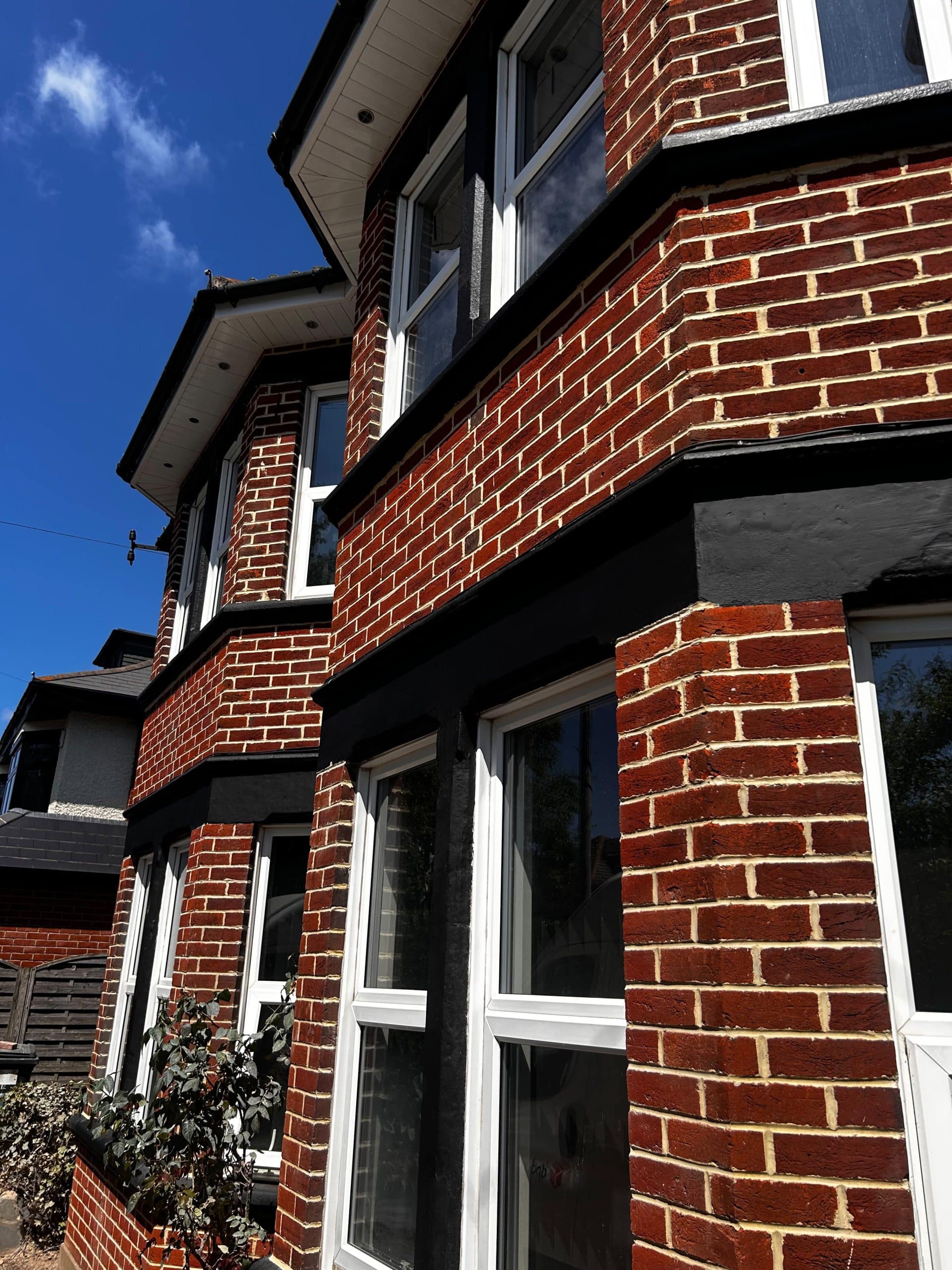
The completed joint is finished to match the existing pointing style — whether that is a flush, weatherstruck, recessed, or bucket handle profile
Any mortar smears on the brick face are carefully cleaned off to leave a neat, professional finish
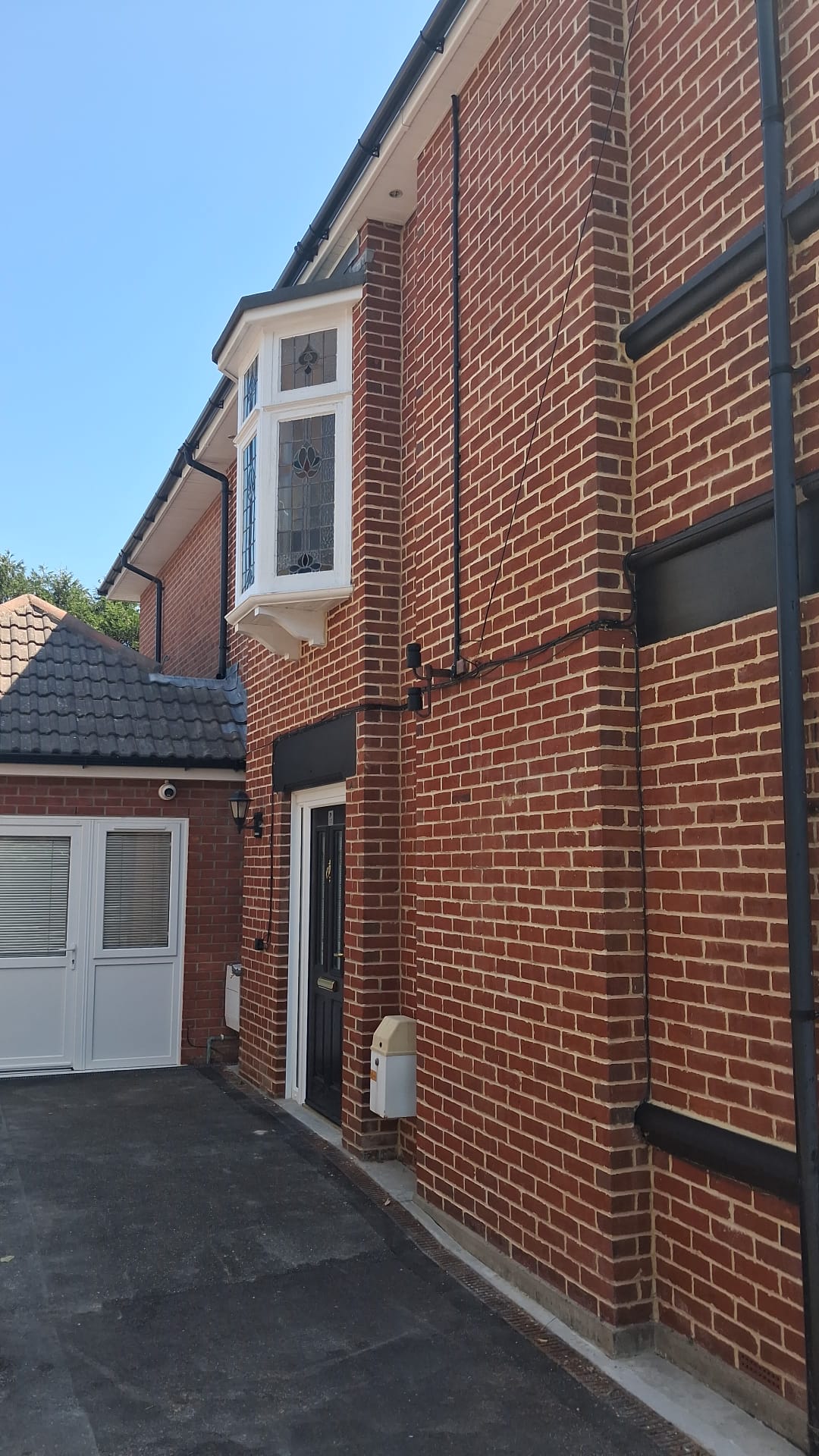
One of the most common and damaging mistakes in repointing is using a mortar that is too strong for the existing brickwork. Modern cement-rich mortars are designed for use with modern hard bricks — but when used on older, softer bricks (as found in many Victorian, Edwardian, and pre-war properties across Dorset and Hampshire), a hard mortar will not flex with the natural movement of the wall. Instead, it forces any cracking or movement to occur through the bricks themselves rather than the joints — causing serious and irreversible damage.
For older properties, a lime-based mortar is usually the correct specification. Lime mortars are softer and more flexible than cement mortars, allow the wall to breathe, and are sacrificial by design — meaning the mortar will erode before the bricks do, which is exactly how the wall was designed to work.
Claymoor Construction assess the existing mortar and brickwork carefully before specifying any repointing mix, ensuring that the new mortar is appropriate for the age and construction of the building. This attention to specification is what separates a professional repointing contractor from a general builder who simply reaches for the ready-mix.
Where the mortar across an entire wall or elevation has deteriorated significantly, full elevation repointing is the most thorough and cost-effective solution. All joints are raked out and repointed in a systematic programme, leaving the entire elevation weathertight and uniform in appearance.
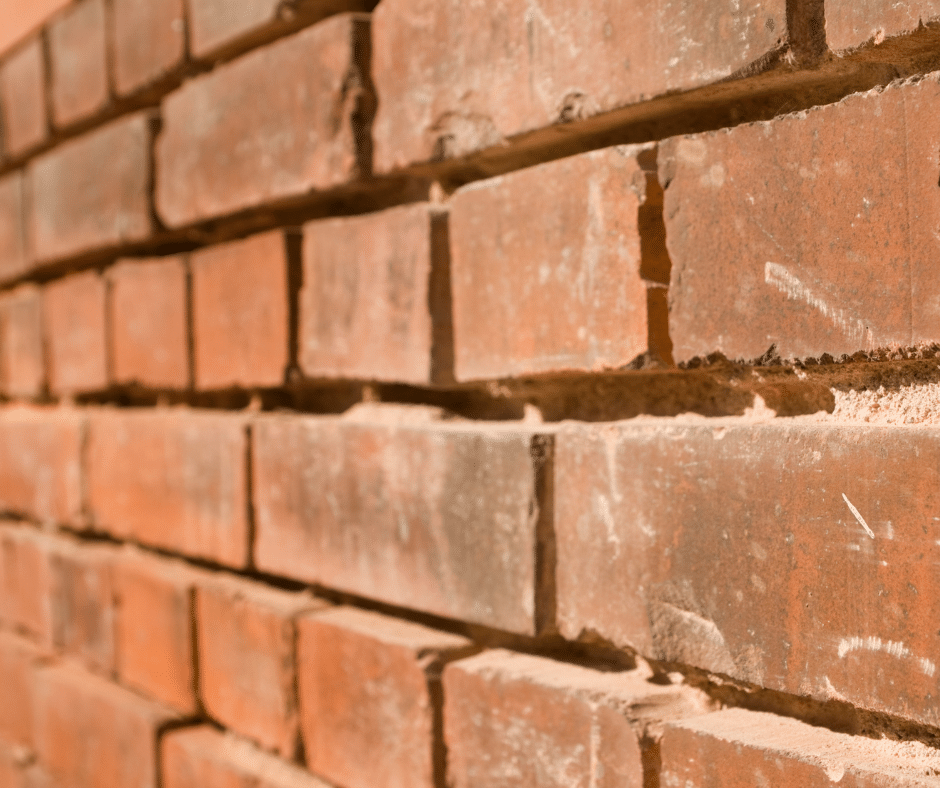
Where deterioration is localised — perhaps around a chimney, below a window sill, or in a specific area of exposed brickwork — patch repointing targets only the affected areas. This is a more economical option where the majority of the existing pointing remains in good condition.
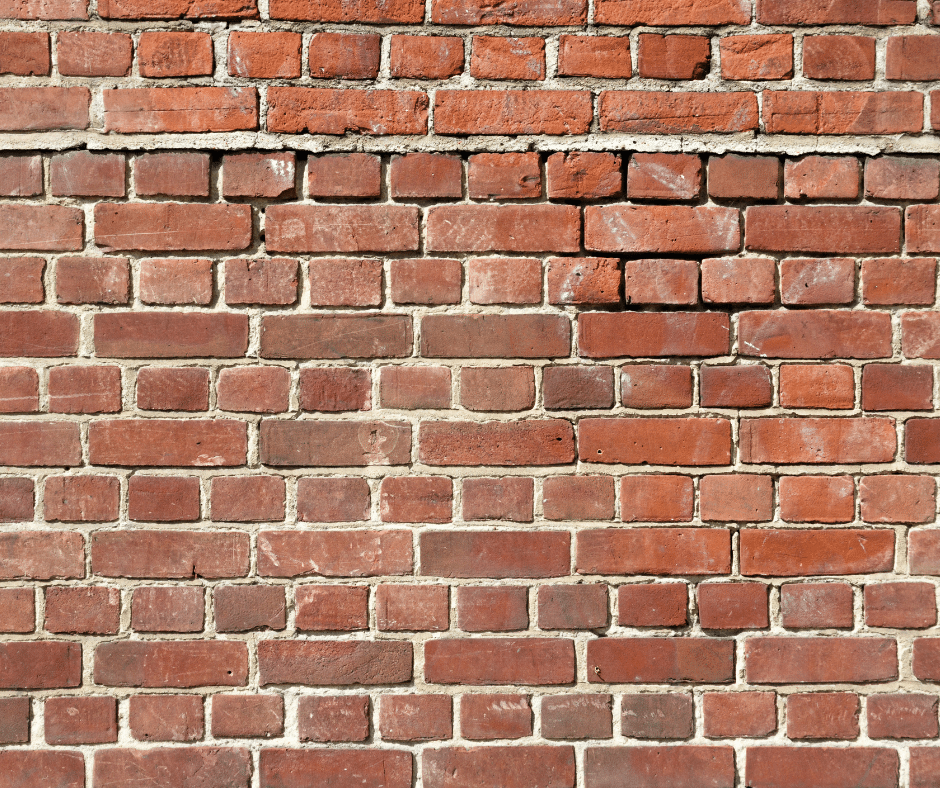
Chimney stacks are one of the most vulnerable parts of any brick-built property.
Exposed on all four sides and subject to constant weathering from above, chimney mortar joints deteriorate faster than any other part of the building.
Failed chimney pointing is one of the most common causes of water ingress into roof spaces and upper floors.
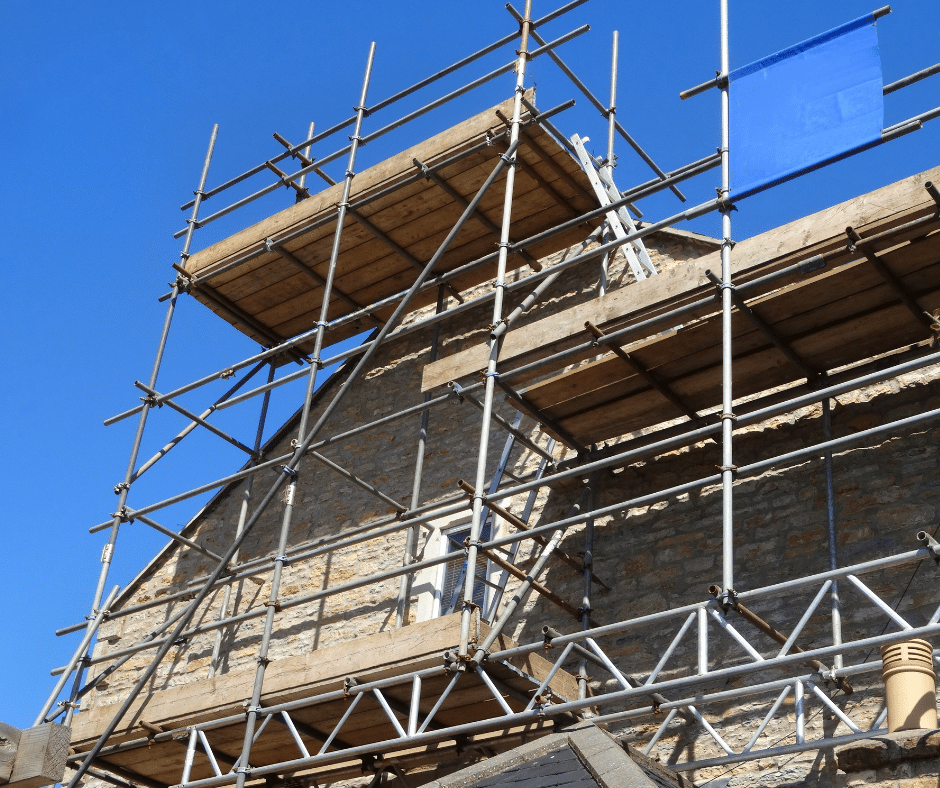
Claymoor Construction carry out chimney repointing from scaffold or cherry picker, ensuring safe and thorough access to all faces of the stack.
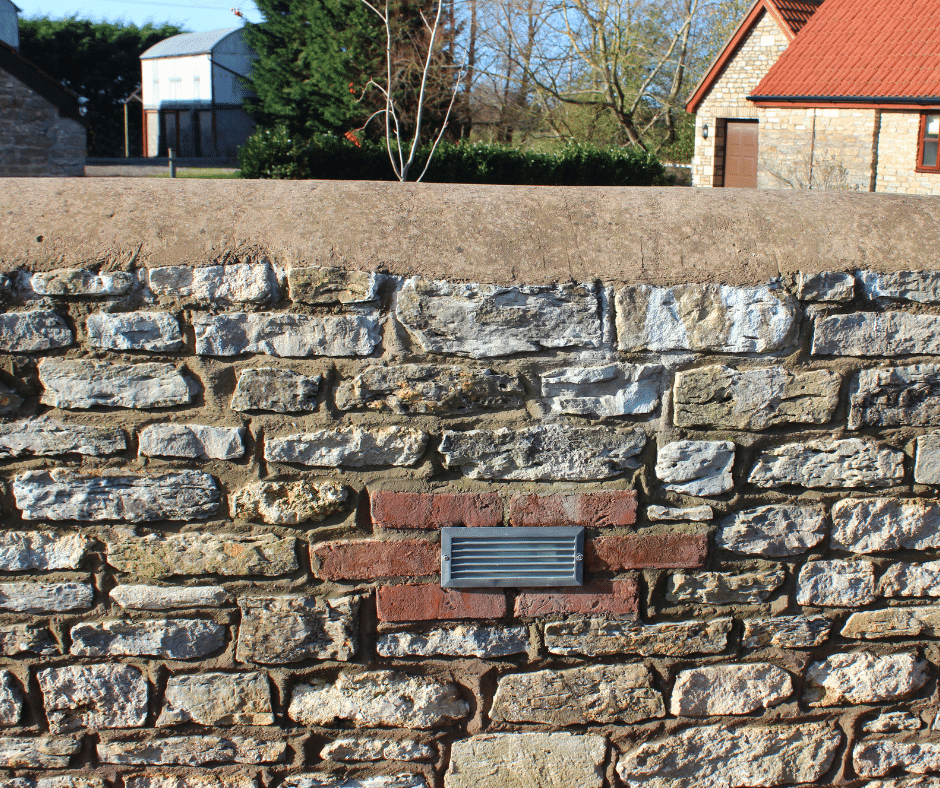
Garden walls and boundary walls are fully exposed to the elements and often receive less maintenance attention than the main house.
Repointing a deteriorated garden wall is a straightforward and cost-effective way to extend its life significantly and restore its appearance.
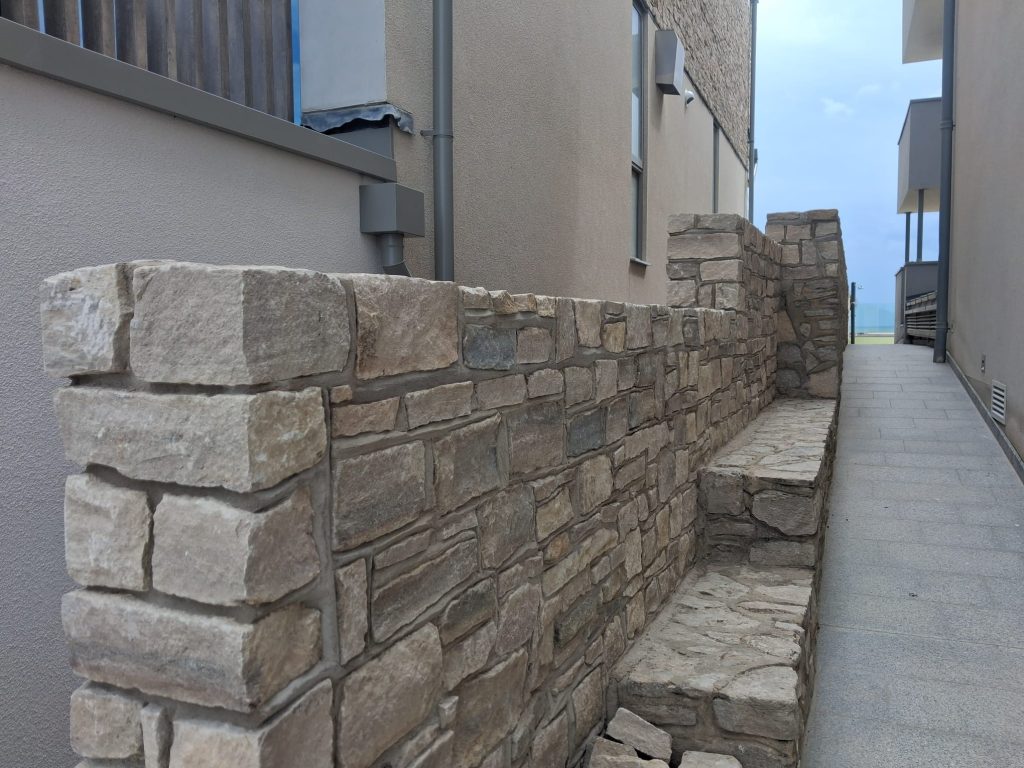
Repointing older and listed properties requires specialist knowledge and the use of appropriate lime-based mortars.
Claymoor Construction have experience working on period and heritage properties across Dorset and Hampshire, and understand the importance of using the correct materials and techniques to preserve the character and integrity of older brickwork.
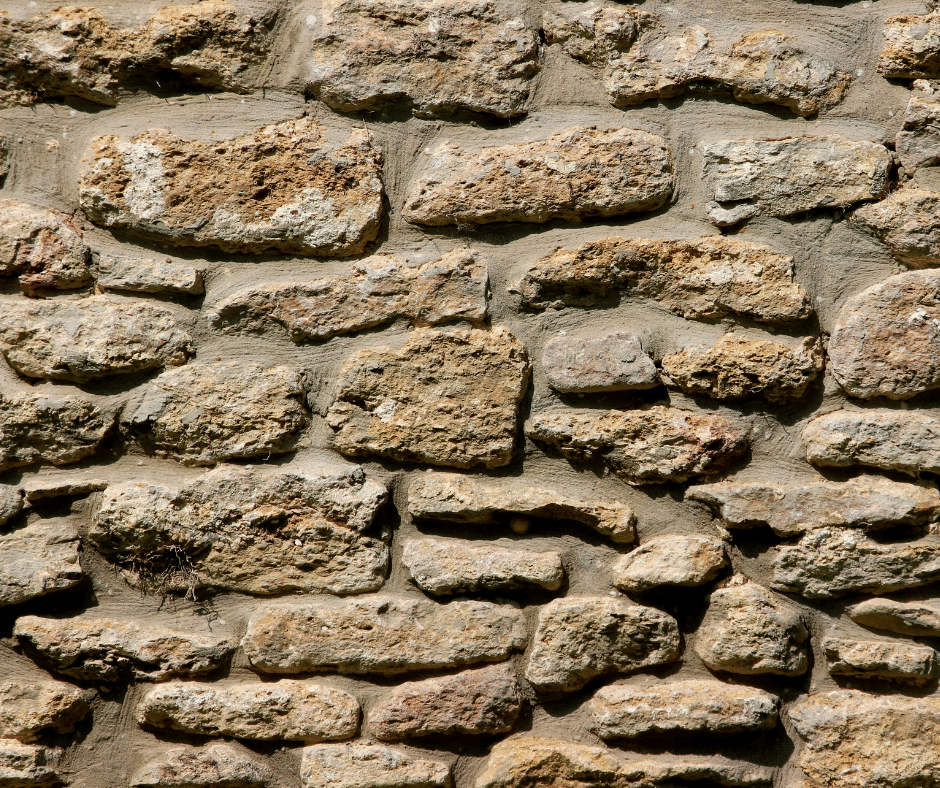
If you have been told that your property has a damp problem, failed pointing should always be investigated as a potential cause before expensive damp-proofing treatments are considered. In many cases, water penetration through deteriorated mortar joints is the primary source of damp — and repointing the affected areas is a far more cost-effective and lasting solution than injected damp proof courses or internal tanking systems.
Claymoor Construction can carry out a thorough external inspection of your brickwork and provide an honest assessment of whether repointing is likely to address your damp concerns. We always recommend getting a second opinion before committing to expensive internal damp treatments.
Based in Poole, Dorset, Claymoor Construction deliver pointing and repointing services across:
Not sure if we cover your area? Get in touch and we will be happy to discuss your location.

The cost of repointing depends on the area to be treated, the accessibility of the brickwork, the extent of deterioration, and the mortar specification required.
Scaffold or cherry picker access for chimneys and upper elevations will add to the cost. Claymoor Construction provide free, detailed quotations for all repointing projects — contact us to arrange a site visit and assessment.
Repointing carried out with the correct mortar specification and to a high standard should last 20 to 30 years or more in most cases.
The longevity depends on the quality of the workmanship, the correct mortar specification, and the exposure of the wall to weathering.
Repointing should not be carried out in freezing conditions, as frost can damage fresh mortar before it has cured.
We plan our repointing programmes around weather conditions and will advise on the best time of year to carry out the work on your property.
New pointing will initially be slightly different in colour to the existing weathered mortar, but this difference typically mellows significantly over the first year as the new mortar weathers.
Where colour matching is important — particularly on patch repointing —
Claymoor Construction will select a mortar colour that is as close as possible to the existing pointing.
For ground floor or low-level brickwork, scaffolding is not usually required. For upper floor elevations, chimney stacks, or any work above approximately 3 metres, safe working at height requires appropriate scaffold or platform access.
Claymoor Construction will include the cost of any required access in your quotation.
Repointing is generally considered maintenance work and is not typically covered by standard home insurance policies.
However, if damp or structural damage has been caused by failed pointing, the resulting damage may be covered depending on your policy. We recommend checking with your insurer.